The Lamp That Stays On: A Working Defence of the Ghost Light
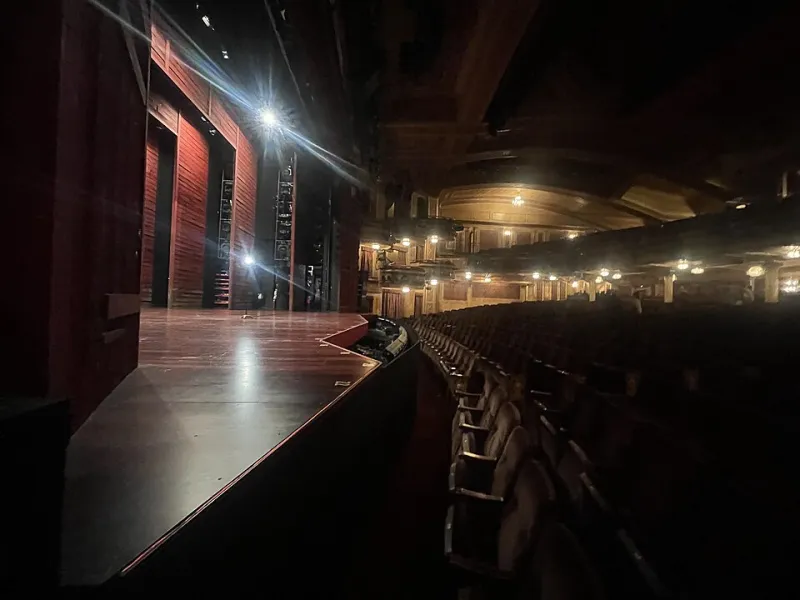
It is not a haunted nightlight. The ghost light is a work lamp, a safety measure and a small act of care that keeps UK theatres honest after the audience has gone home.
Creative work, honest opinions, backstage stories.
It is not a haunted nightlight. The ghost light is a work lamp, a safety measure and a small act of care that keeps UK theatres honest after the audience has gone home.
Before the first preview there is a strange, polite scramble of costumes, lighting and where exactly everyone should stand. It is not glamorous. It is not haunted. It is the five minutes that take forty.
Regional theatre still programmes as if the last train leaves after the applause. It does not. A honest look at intervals, late finishes and the small scheduling choices that could stop audiences choosing between the show and a safe journey home.
Crew catering is not glamorous, but it is load-bearing. A look at get-in breakfasts, labelled Tupperware, the local deli that saves the day, and why a well-timed sandwich is less about romance and more about respect.
You never see them, and you certainly never applaud them. But every smooth panto gag, every split-second lighting change and every quick change that doesn't end in a torn costume runs through one person on a headset. A backstage look at the show caller — the calmest voice in the building.
Before the red light, before the autocue, someone has to turn a queue of strangers into an audience. The TV warm-up comic is not filler between the floor manager and the first take — it is a live performance with a very specific job.
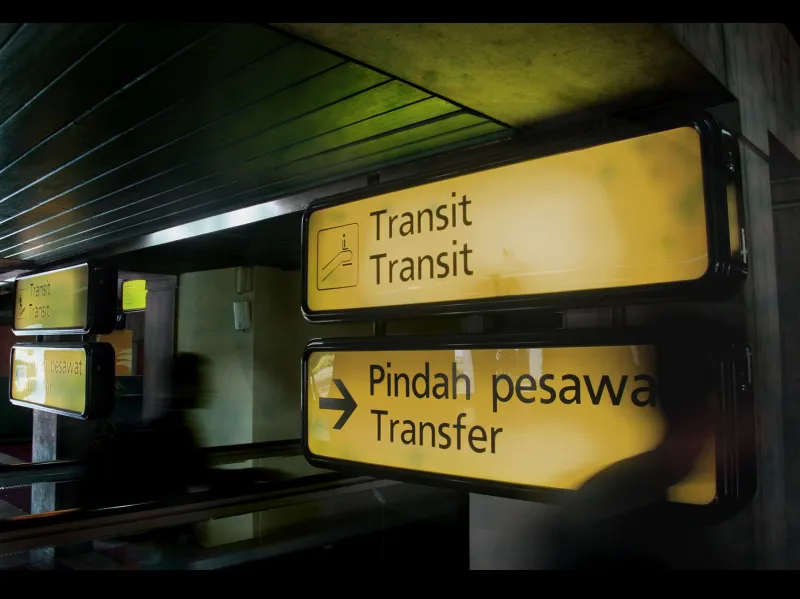
Good venue signage is more than a laminated arrow taped to a wall. From house left confusion to interval-rush staircases, the signs that guide us say a great deal about how a venue treats its audience and its staff.
A sharp look at how UK audiences treat support acts — the chatter at the bar, the late arrivals, the polite half-clap — and why the opening slot deserves better. Not a sermon, just a practical case for watching the first name on the bill.
The clock on the rehearsal room wall is not a corporate productivity tool. In UK theatre and community gigs, it is a small, practical promise about trust, access and whose time matters. Starting on time is a creative choice with consequences long before opening night.
A theatre seat in Row F can turn a perfectly reasonable adult into a apologising machine. This is a affectionate look at what all those small sorries really mean — and why the best fix is often not better manners but better design.
A Tuesday afternoon at a small independent cinema is not a blockbuster event. It is a kettle, a ledger, a handful of regulars and a screen that still has to be treated as if the whole town is watching.
A shiny front-of-house ramp makes a lovely photo, but it is only the opening scene. In Britain's older theatres, real access is a nightly piece of stagecraft involving ushers, crew, performers and a lot of unglamorous corridor management.
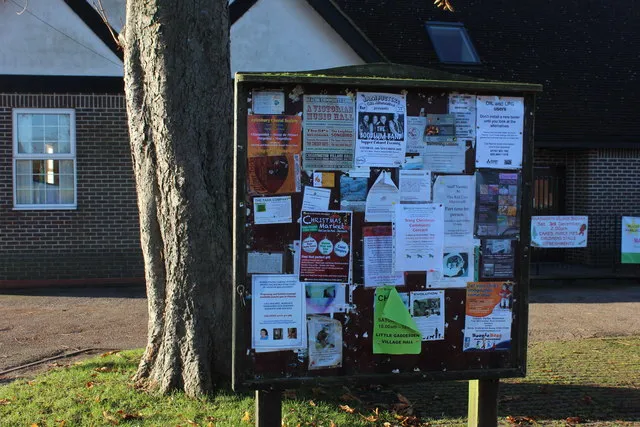
The handwritten grid on the village hall noticeboard looks like admin. It is actually one of the most honest documents in British entertainment: dates, deposits, caretakers and the occasional 'bring your own piano'. Here's what small-scale touring learns from it — and what the rest of the industry keeps missing.
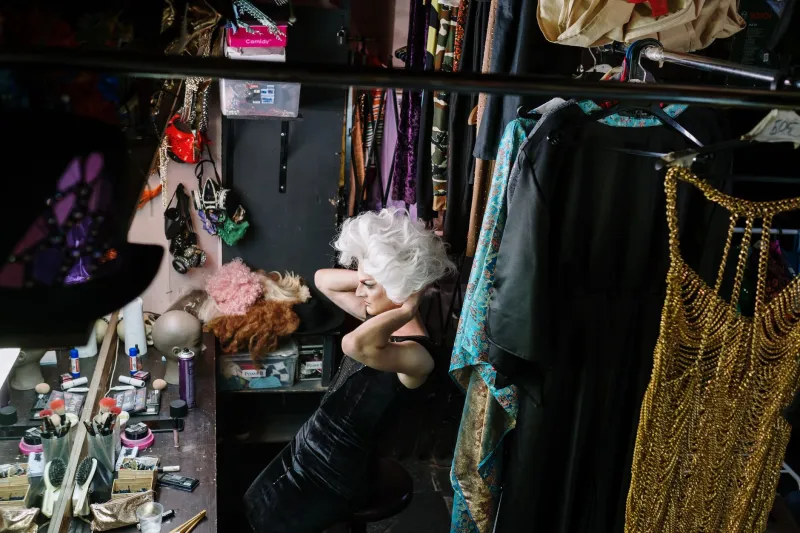
A thirty-second quick change looks like speed. Backstage, it is closer to a contract: rehearsed hands, agreed boundaries, and a dresser who knows when to step in and when to stand back. A note on the quiet choreography of the quick-change corner, and why preparation is a form of care.
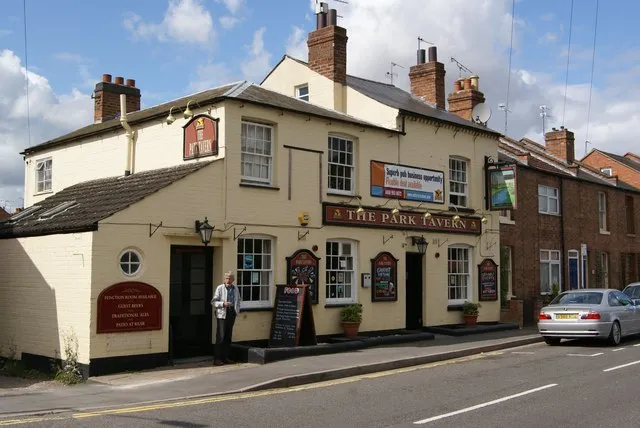
Every theatre has one: the pub round the corner that knows the running time, keeps a pint ready before the rush, and holds the stories that never make the programme. A love letter to the scuffed-carpet locals that quietly keep a venue's ecosystem ticking.
A damp November night, a queue of winter coats and a numbered ticket: the cloakroom is where a theatre shows its manners. A wry look at the quiet craft, small trust and strange economics of the coat check — and why the last five minutes matter as much as the first.
Waiting to hear back after an audition or pitch is its own kind of unpaid labour. A short, polite no costs almost nothing and saves everyone a fortnight of inbox theatre — so why is silence still the industry default?
The coffee run looks like a favour. In practice it is logistics, diplomacy and care in a paper cup. A backstage note on the errands that hold a company together — and why we should stop treating them as somebody else's job.
Billing order looks like a formality until you watch a company negotiate it. From regional reps to West End programmes, the little words around a name — 'and', 'with', 'above the title' — are a map of hierarchy, generosity and careful egos. Here's how to read that map without mistaking it for the whole story.
A programme, a tote bag, a print that costs more than your interval drink: the merch table is easy to mock and easier to overlook. But in UK theatres, it is part of the performance — a small economy of memory, made by people who care.