The Bar Can Wait: A Modest Case for Watching the Support Act
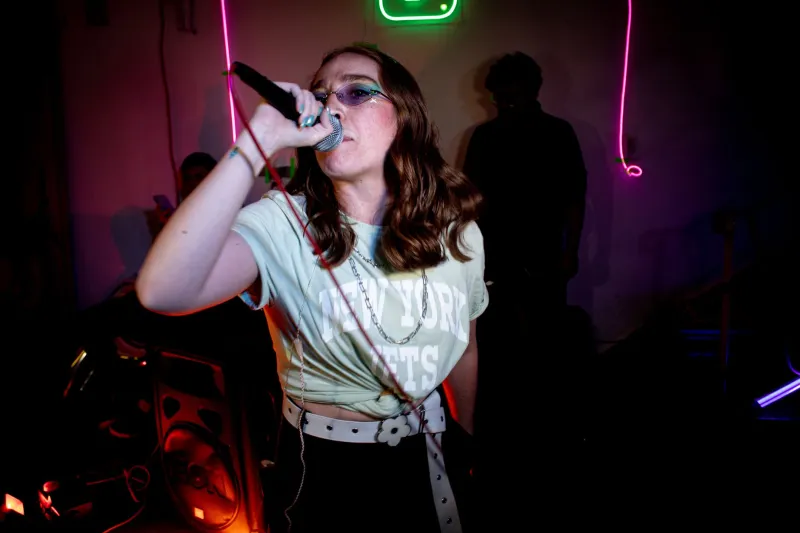
There's a particular sound at a UK gig that has nothing to do with the music. It's the sound of a bar queue forming during the support act's second song. The clink of glasses, the low hum of conversation, the bloke near the back explaining his parking situation to anyone within earshot. Meanwhile, on stage, someone is playing their heart out to a room that has collectively decided this bit doesn't count.
I've been that person on stage. I've also been the one at the bar. So this isn't a sermon. It's a request, and it starts with a small shift in how we talk about the opening slot.
The half-clap economy
You know the half-clap. It's the applause that starts as a reflex and then gets embarrassed halfway through, as if clapping too hard for the support act might suggest you've never been to a proper gig before. It's polite, it's brief, and it's usually accompanied by someone turning to their mate and saying, 'Not bad, that.' Then they go back to their phone.
The half-clap isn't cruelty. It's habit. We've been trained, quietly, to treat the first name on the bill as a sort of warm-up act for our own evening — something to be endured or half-enjoyed until the real business starts. But the support act isn't a warm-up. It's a set. Thirty minutes, sometimes forty. Songs written, rehearsed, hauled across the country in a splitter van. A whole small career in a slot that many of us treat as background noise.
What the slot actually is
Here's the bit that doesn't make the posters. For a lot of support acts, the money doesn't work. They might get a flat fee, a contribution to fuel, or sometimes nothing at all beyond a spot on the bill and a few drink tokens. They're often playing to a room that's a third full because doors opened late, or because the venue's website buried the stage times, or because everyone has decided that arriving for the headline set is the sophisticated move.
And yet, the support slot is how most artists get in front of a new audience. It's how they learn to hold a room that isn't there for them. It's how they sell a few records, get a few email sign-ups, and maybe come back next year as the headline act themselves. If we want a music scene that isn't just the same twenty names on rotation, the support slot matters. Not in a wistful, charity way. In a practical, this-is-the-pipeline way.
The venue's part in this
I'm not letting audiences off the hook, but promoters and venues have more power here than they sometimes use. A few things make a real difference: doors that open when they say they will, stage times printed clearly and stuck to, and a bar that isn't the loudest thing in the room during the quiet songs. It's not revolutionary. It's just a bit of care.
Some venues already do this well. They put the support act's name on the socials with the same font size as the headliner's. They give them a proper soundcheck. They don't schedule the meet-and-greet photo queue next to the stage while someone's trying to play a ballad. These aren't grand gestures. They're signals: this person is part of the show.
Manners that cost nothing
So what would better manners actually look like? It's not about standing in reverent silence with your hands clasped. Gigs are social. People talk. People drink. That's fine. But there's a difference between a room with a low hum and a room where the bar sounds like a school canteen.
Practical things: arrive for doors if you can, or at least aim for the support act's start time. Keep the loud conversations away from the front. Watch a few songs properly — phone down, eyes up. If you like it, buy something from the merch desk, even if it's just a badge. And if you don't like it, that's fine too. You don't have to pretend. But you can still be a decent person about it.
There's also the small matter of the half-clap. You don't have to whoop. But a proper clap — both hands, actual effort — costs nothing and means something. It says: I saw you. I know you were here.
A modest ask
I'm not asking for guilt. Nobody needs to be shamed into enjoying a support act. Some of them won't be your thing. That's the deal with live music. But the first name on the bill is not a trailer. They're not an advert for the interval. They're a person doing the same job as the headliner, often for less money and in worse conditions.
So the next time you're at a gig and the lights go down for the support act, try this: stay where you are. Let the bar wait. Give them the room they've been given. You might be surprised by what you hear. And even if you're not, you'll have been part of a better night — one where the whole bill got the respect it paid for.