The Arrow That Says Welcome: Notes on Venue Signage
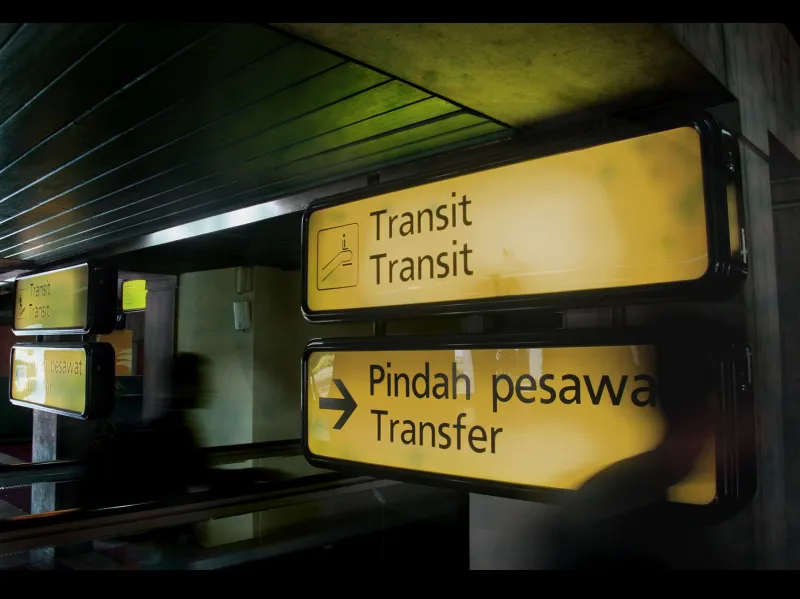
There is a particular kind of confidence that comes from walking into a theatre and knowing, immediately, where you are meant to go. You do not have to interrogate a volunteer in a fleece. You do not have to follow a crowd and hope for the best. You simply see an arrow, a word, a small act of clarity, and you relax. It sounds almost too small to matter. It matters enormously.
I have spent enough time in venues of every shape and temperament to know that signage is never just signage. It is the first conversation a building has with its audience. Before the lights go down, before the programme is opened, before anyone has said a line, the signs have already told you whether you are expected or merely tolerated.
House left is not your left
The classic confusion, of course, is house left versus your left. Backstage, directions are given from the perspective of someone standing on stage facing the auditorium. House left is the audience's right. House right is the audience's left. It is perfectly logical once you know, and utterly baffling if you do not. A sign that says 'House Left Stalls' without explanation is not helping anyone except the person who wrote it.
The best venues translate. They use plain language, or they use both. They put the information where you need it, not where it was convenient to screw a plaque into the wall in 1998. They understand that wayfinding is not a test of character. It is hospitality.
The temporary arrow is still part of the show
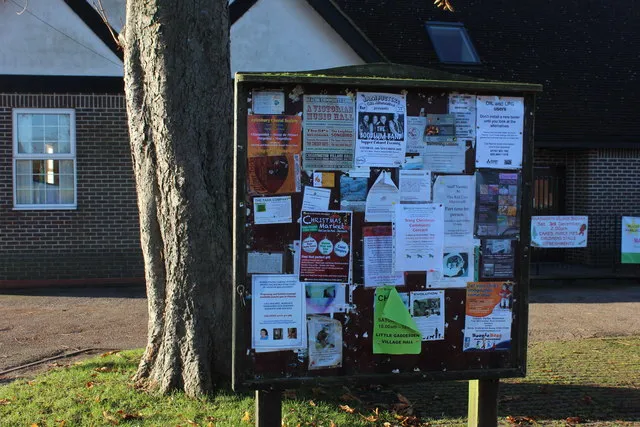
Some of my favourite signs are the least permanent. A sheet of A4, laminated in a hurry, with an arrow drawn in marker pen and the words 'Bar this way — yes, really'. A strip of gaffer tape on the floor guiding people around a corner because a staircase is closed. A handwritten notice on the stage door explaining that the buzzer is broken and you should knock twice. These are not elegant. They are often slightly wonky. They are also evidence that somebody thought about you.
Temporary signage gets a bad reputation because it can look messy, and in a listed building, messy is a real concern. You cannot always drill into a Georgian wall or stick a vinyl graphic onto a Victorian tile. I understand the constraints. I have seen front-of-house teams wrestle with health-and-safety rules, heritage restrictions and the simple fact that a narrow staircase built for a different century was never designed for an interval rush. But constraints are not an excuse for silence. A well-placed temporary sign can be the difference between a pleasant interval and a small, avoidable crisis on the stairs.
What confusion tells you
When signage is bad, it is rarely just bad luck. It usually means one of two things. Either the building has been added to, altered and re-labelled so many times that nobody has stepped back to look at it as a whole, or the people who know the building best have stopped noticing how confusing it is to everyone else. Both are understandable. Neither is ideal.
Confusing signs also tend to reveal how a venue thinks about its staff. If ushers spend every interval repeating the same directions to the same two corners, that is not a people problem. That is a map problem. If stage door visitors are constantly lost because the entrance is round the back, past the bins and under a fire escape, the venue is quietly making extra work for whoever has to fetch them. Good signage is a courtesy to the audience, yes, but it is also a kindness to the people who work there.
The small signs that do the most work
The signs I notice most are not the grand ones. They are the ones that answer the question you were just about to ask. 'Toilets and baby changing.' 'Accessible entrance.' 'No step-free route this way.' 'Stage door — deliveries round the front.' 'This bar takes card only.' 'Please keep the stairway clear.' Each one is a tiny piece of choreography. It moves people through a building without making them feel foolish.
And there is a distinctly British pleasure in a sign that is honest about the awkwardness of the building. I have a soft spot for notices that admit the truth: 'Mind your head', 'Narrow stairs', 'This is not the main bar'. They feel like a friend leaning over to tell you something useful before you make a mistake. That is the tone more venues could learn from. Not corporate. Not scolding. Just clear.
The stage door deserves better too
Backstage signage is its own small universe. Dressing room numbers, crossover arrows, 'Quiet please — performance in progress', a piece of paper on a door saying 'Company manager — knock and wait'. These signs keep a show running, and they also keep people safe. When they are missing, the result is not glamorous chaos. It is someone opening the wrong door during a blackout and ruining a cue.
I think we underestimate how much a clear sign contributes to the atmosphere of a venue. It says: we have thought about you. We know you might be late, lost, carrying a coat and a drink, and slightly anxious about finding your seat before the lights go down. Here is an arrow. Here is a word. Here is the way.
That is not a small thing. That is the whole job, really. A theatre is a building full of people trying to find their way in the dark. The least we can do is put up a decent sign.