Where the Interval Really Happens: Notes from the Theatre's Local
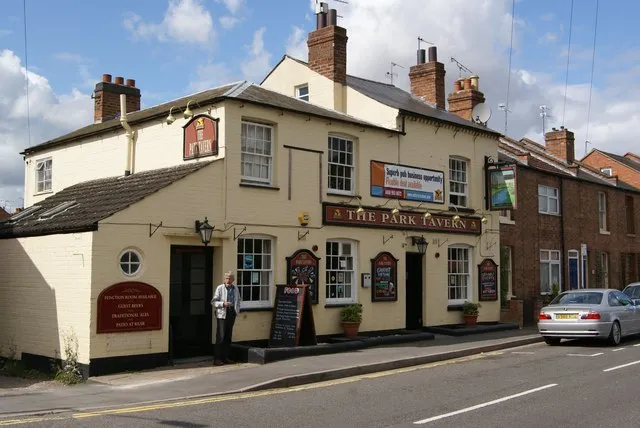
Photo: Colin Craig, CC BY-SA 2.0, via Wikimedia Commons
There is a particular pub that sits about ninety seconds from the stage door of a theatre I know well. It has a carpet the colour of wet autumn leaves, a framed print of the venue's 1970s panto season above the fireplace, and a landlord called Ray who can tell you, without checking a phone, exactly how long the second act runs. He knows because he has been pouring pints for the same audience for twenty-two years. He knows because the theatre is, in a very real sense, part of his patch.
We talk a lot about the front of house, the backstage, the dressing rooms and the fly floor. We talk less about the geography immediately outside the building — the chippy, the bus stop, the pub. And yet these places are part of the machinery. They hold the nerves before curtain, the debrief after the matinee, and the quiet diplomacy of a company that has just done a six-show week and needs somewhere to sit without being asked for a selfie.
The Pint Before the Play
There is a rhythm to the pre-show pub. At about six-fifteen, the first wave arrives: couple in slightly-too-new shoes, programme already bought, scanning the menu for something that won't make them sleepy in act two. By six-forty, the bar is three deep and Ray has developed a sixth sense for who needs a quick half and who is settling in for a proper pint. He also knows which tables are theatre tables. They are the ones where someone is quietly checking a watch, and someone else is saying, 'We've got time, we've got time,' in a voice that suggests they do not entirely believe it.
What I love is that the pub does not try to be the theatre. It is not a themed bar. It does not have a cocktail called 'The Understudy.' It is just a local that happens to be very good at being near a venue. The pre-show pint is not a gimmick; it is a decompression chamber. It takes the edge off the day and puts you in the right frame of mind to sit in the dark and let someone else do the talking.
A Landlord Who Knows the Running Time
Ray's running-time knowledge is not trivia. It is a service. On a Thursday matinee day, he knows the house will empty at roughly four-forty and the pub will get a second, smaller wave of people who want a cup of tea and a debrief before the evening rush. He knows not to call last orders too early on a press night, because the critics and the company might be in for a post-show drink and they will not thank him for a bell at ten-fifteen. He knows that the panto crowd in December is different from the contemporary dance crowd in March, and he adjusts the music accordingly.
This is a very specific kind of theatre diplomacy. It is not written down anywhere. It is not in the tour pack. But it matters. A theatre that has a good local is a theatre that has a place for the audience to gather, and a place for the company to exhale. The pub becomes an extension of the foyer, minus the carpet and plus the darts team.
The Post-Matinee Debrief
The best conversations about theatre happen in pubs. Not because pubs are profound, but because they are honest. In the foyer, people are polite. In the pub, they are themselves. I have heard a retired teacher give a fifteen-minute analysis of a Chekhov revival while waiting for a bag of crisps. I have heard two teenagers argue about whether the ending of a new musical was 'sad or just annoying.' I have heard a man say, 'It was fine,' and then spend twenty minutes explaining exactly why it was fine, which is often the most useful review you can get.
The pub is where the audience finishes the show. The curtain comes down, but the conversation keeps going. And for a venue, that is not incidental. It is part of how a production settles into a town. The local holds the afterglow.
Backstage Stories That Never Make the Programme
Then there is the other side of the bar. The stage crew who come in after the get-out, still in black, ordering something cold and saying very little. The actor who has just done a two-hour one-person show and needs to sit in a corner and not be interesting for a while. The deputy stage manager who is quietly updating the prompt copy on a phone while someone else buys the round.
Ray has a rule: no bothering the company on a two-show day. It is not written on the wall, but everyone knows it. If someone from the audience recognises an actor and asks for a photo, Ray will usually appear at exactly the right moment with a fresh drink and a question about the weather. It is a small act of protection. It is also, frankly, good business. A company that feels welcome in the local will come back. Word gets round.
The Unofficial Ecosystem
We talk about theatre ecosystems in terms of funding, touring, audience development. All of that matters. But there is a smaller ecosystem too: the pub, the café, the corner shop, the bus route. These are the places that make a night at the theatre feel like part of a town rather than a transaction. When a venue is lucky enough to have a local that understands the rhythm of the building, it is not just a convenience. It is a relationship.
So next time you are standing in a pub near a theatre, look around. The couple arguing about the second act. The stagehand nursing a lemonade. The landlord glancing at the clock because he knows the interval is over and the rush is about to start. It is all part of the show. It just doesn't have a programme credit.
Last Orders, First Act
I am not saying every theatre needs a pub. But every theatre benefits from a local that knows its running time. It is a small thing, and a very British one. It is also a reminder that theatre does not stop at the stage door. It spills out onto the pavement, into the bar, and into the hands of a landlord who has seen it all before and will see it all again next week.