The First and Last Handshake: What a Theatre Cloakroom Tells You Before Curtain Up
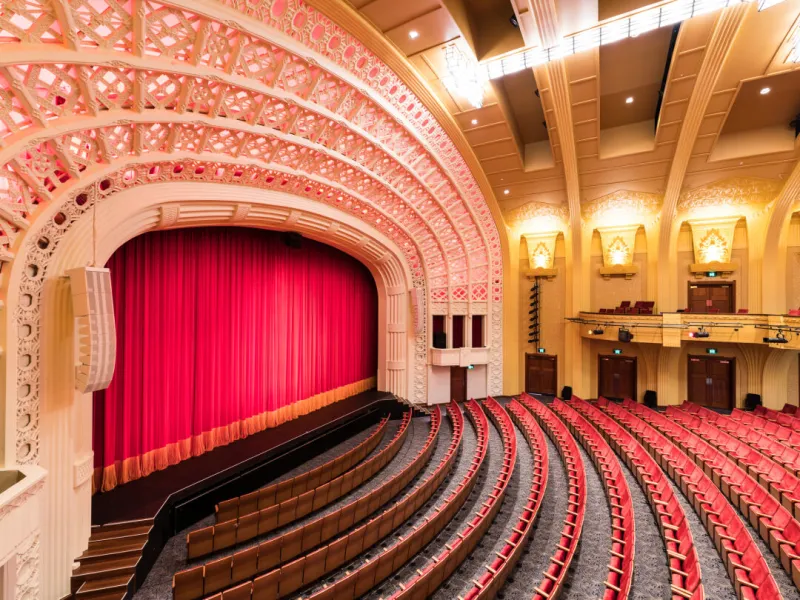
Photo: theatre cloakroom attendant hanging coats winter queue UK, via empiretheatre.com.au
November in the UK has a particular talent for making a theatre cloakroom look like a good idea. You arrive with a damp coat, a scarf that has been overpromising all day and a bag stuffed with the sort of items that make security searches sigh. The show may be the main event, but the first proper conversation you have with a venue is often about a hanger.
I’ve spent enough time on both sides of that counter to know that the cloakroom is not a side note. It is the handshake before the handshake. Not because it is grand, but because it is honest: a building either has a plan for your coat or it doesn’t. And that plan tells you quite a lot about how the rest of the evening will go.
The queue is the overture
There is a specific kind of theatre queue that forms at about twenty past seven. It is not quite a queue and not quite a crowd. It is a huddle of people pretending they are not in a hurry, clutching coins, cards and the small rectangular ticket that proves they were here first. The etiquette is unwritten but real. Have your coat ready. Don’t hold up the line while you explain the entire provenance of your scarf. And please, if you are handing over a bag, check that your phone is not still in the pocket you are about to surrender.
A good cloakroom queue moves because someone has thought about it. The signage is clear, the desk is the right height, the staff have a system and nobody is being made to feel like an inconvenience. A bad queue is rarely an accident. It is usually a design choice dressed up as bad luck. If the venue has put the cloakroom in a dark corner with one attendant and a card machine that needs a moment to think, you can feel it before the first bell.
I once worked a season where the cloakroom was also the lost property desk, the first aid point and the place people went to ask where the loos were. It was chaos, but it was warm chaos. The attendant in charge had an almost supernatural ability to remember which coat belonged to which face. She was not just storing outerwear. She was quietly running a customer service operation in a cupboard.
A coat is a small act of trust
Handing over a coat is a tiny act of vulnerability. We are giving away something that smells of us, holds our keys, our phone, our medication, our train ticket home. The attendant is briefly responsible for the outside version of our lives. The transaction is small, but it is not nothing.
The best cloakroom attendants understand that without making a fuss about it. They tag, smile, hang, reassure. They do not treat your anorak as an inconvenience or your nice wool coat as a chance to be impressed. They simply absorb a small amount of worry so you can get on with your evening. That is a skill, and it is not always recognised. The same way a good usher can make you feel welcome without saying much, a good cloakroom attendant can set the temperature of the whole night.
There is also a strange confessional quality to the cloakroom. People say things at the counter they would not say at the box office. They apologise for the state of their coat. They explain that the ticket is for their mother, who is already inside. They ask, quietly, whether the theatre has a bag they can leave a wheelchair coat in. They are not really asking about hangers. They are asking whether the building has room for them.
The economics of a hanger
Coat checks are not usually money-spinners. Staffing, space, hangers, insurance, lost tickets, the occasional argument about a missing glove: it adds up. Some venues charge a small fee. Some ask for a donation. Some offer it free and quietly hope you will buy a programme. In 2026, with costs being what they are, it is tempting for venues to treat the cloakroom as a nice-to-have. I understand the spreadsheet. I still think it is a mistake.
A cloakroom is hospitality infrastructure. It is not glamorous, but neither is a dry seat or a working hand dryer. A theatre that skimps on its coat check can start to feel like it is doing you a favour by letting you in. A theatre that runs it well feels like it has thought about the journey from the pavement to the stalls. That is the difference between a venue and a building.
I am not arguing that every theatre needs a grand cloakroom with brass rails and a person called Gerald. I am arguing that it needs a clear plan. Can people leave coats? Can they leave bags? Is there space for a pushchair, a walking aid, a wheelchair user’s coat? If the answer is no, say so early and kindly. The worst cloakroom is not the small one. It is the one that pretends to exist and then makes you feel foolish for believing it.
What the last five minutes say
The show is over, but the evening is not. The last five minutes are the ones people remember on the bus home. At the cloakroom, that means a queue of tired people, a mountain of black coats and the quiet panic of someone who has lost their ticket. The way a venue handles that moment is the real test. Does the attendant have a process? Is there a second pair of hands? Is anyone being made to feel like a nuisance for wanting their own coat back?
A good handover is almost invisible. Your coat appears. You say thank you. You walk out into the drizzle with your shoulders back. A bad handover leaves a small sour taste that can undo two hours of excellent theatre. It is unfair, but it is true. The first handshake is the queue. The last handshake is the return of your coat. Get either one wrong and the whole evening limps.
So this winter, when the pavements are wet and the 2026 panto season is in full swing, judge a theatre by its hangers. Watch how it treats the queue. Listen to how the attendant says “there you go.” Notice whether the desk feels like a service or a hurdle. The show might be the reason you bought a ticket, but the cloakroom is often the reason you will come back.