Everyone Look Natural: The Organised Chaos of a Cast Photo Call
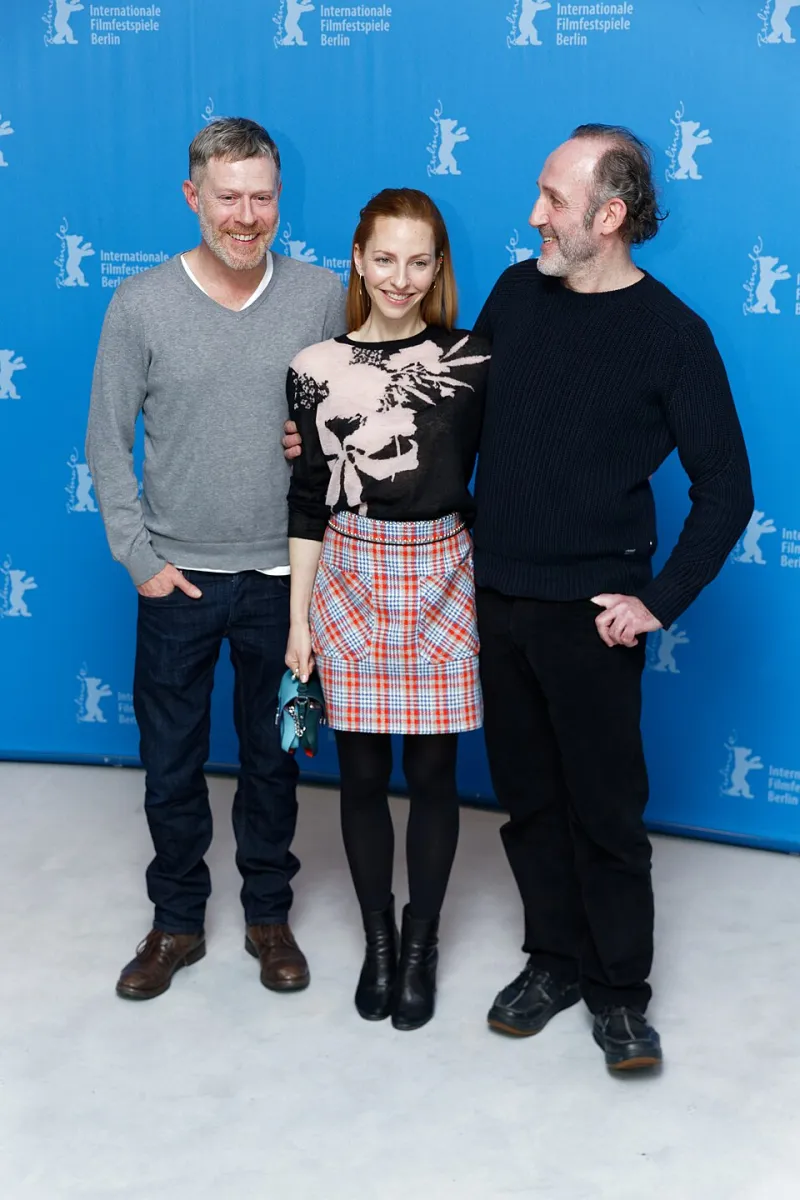
Photo: Maximilian Bühn, CC BY-SA 4.0, via Wikimedia Commons
The call sheet said 10am. By 10.07 there were three people in coats, one in a full panto wig, and a photographer moving a chair that had been in exactly the right place for eleven years. A stage manager was holding a stepladder. Someone from marketing was holding a list of names. The director was holding a coffee and looking at the set as if it had personally let them down.
This is a cast photo call. It is one of the strangest, most organised, most awkward bits of getting a show open. It happens before the first preview, when everyone is tired, excited and convinced their costume makes them look like a lampshade. It takes five minutes. It takes forty. It is never mentioned in the programme.
Two photographs in one morning
The first job is to remember that a photo call is usually two jobs. There is the production image: atmospheric, in the set, with lighting that tells you what the show feels like. It might be dark. It might be weird. It might have an empty chair in it and no faces at all. That image goes in the brochure, the season leaflet, the review page.
Then there is the poster shot. This is the one with faces. Clear faces, bright eyes, a bit of negative space at the top for the title. It has to work on a bus shelter and a phone screen. It has to say, in one glance, who is in this and why you might like it. One is for the story. One is for the till.
The best photo calls know the difference and do not try to solve both at once. The worst ones spend an hour arguing about a shadow.
The geography of a company
Where people stand is a quiet diplomatic exercise. The tall ones go to the back. The short ones go to the front. The leads do not always stand in the middle. The ensemble does not always stand at the edges. Someone has a hat that blocks someone else's face. Someone has a prop that keeps catching the light. Someone is wearing a wig that has opinions.
The stage manager does the delicate work. Can we just swap you and you? Can you take half a step left? Can the person with the sword lower the sword? No one wants to be at the back. Everyone understands why they are. The trick is to make the arrangement feel like the company's idea, not a seating plan imposed from above.
The five minutes that take forty
The photographer says, everyone look natural. This is the least natural instruction in the English language. People freeze. Someone laughs. Someone else asks if they should smile. The director says, just one more. Marketing says, can we try one without the coat. The lighting designer adjusts a bar. The photographer moves the chair again.
This is the awkward five minutes. It is also the bit that decides whether the poster looks like a company or a hostage situation. A good photographer talks through it. A good publicist keeps the pace. A good company laughs at itself and then gets on with it.
Why the best ones are invisible
The best photo call is the one nobody notices happening. It is scheduled around a rehearsal, not through it. It has a runner with a list. It has understudies and swings included where they should be. It has someone checking that the person in the wheelchair is not stuck at the back behind a flat. It has a clear end time.
When it works, the company forgets it happened. The marketing team gets the assets. The poster appears three weeks later with everyone looking like they have known each other for years. Nobody sees the chair being moved, the wig being adjusted, the five minutes that took forty.
That is the job. Not glamorous. Not haunted. Just a group of people standing in the right place, for long enough, so that someone else will buy a ticket.