Someone Has to Remember the Milk: The Unseen Work That Keeps a Show Running

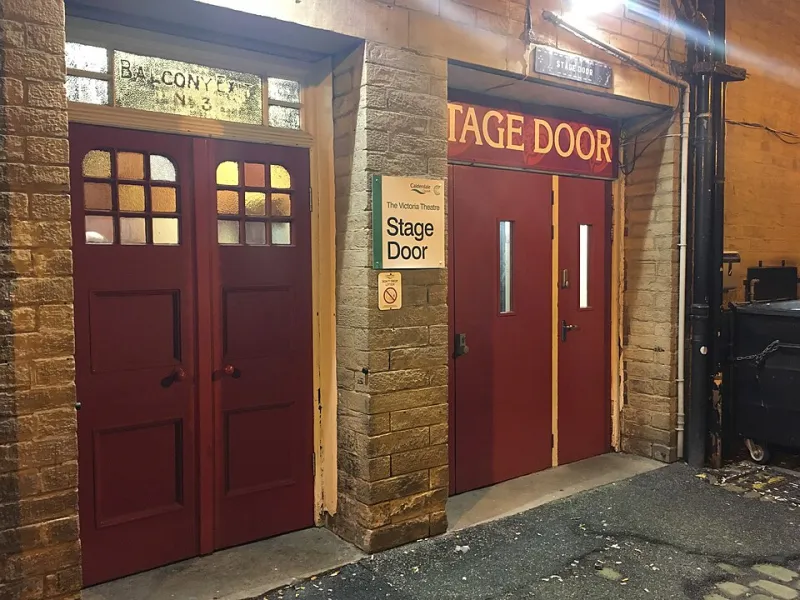
The clock in the stage door office says 5:42pm. The half-hour call has been given. Someone is standing by the pigeonholes with a notepad and the expression of a person who has accidentally become the company's social secretary. 'Right,' they say. 'Who's on the coffee run?'
It is a tiny question. It is also a test.
Because by that point in the day, the coffee run is never really just about coffee. It is about who has been paying attention. Who knows that the DSM takes oat milk, that the new swing is trying to cut down on caffeine, that the lighting technician has been quietly skipping lunch because the rig is behind. It is about who has the social capital to ask, and who has the authority to insist that someone else takes a break.
I have come to think of these backstage errands as the show's connective tissue. Nobody puts them in the programme. Nobody reviews them. But when they are missing, everyone feels it.
The List Is Never Just a List
A coffee order is a small map of a company. There is the person who always says 'whatever's easiest' and means it, and the person who says it and absolutely does not. There is the runner who has learned to write down dietary needs without making a thing of it. There is the stage manager who asks for a tea and then leaves it going cold because a cue went early.
In a good team, that list is treated as information, not admin. It tells you who is new and trying not to be a nuisance. It tells you who is carrying too much. It tells you who has been in the building since 9am and who has just done a four-hour tech and needs sugar before notes.
The mistake is to call this 'soft' work. It is not soft. It is operational intelligence. A company that knows how its people take their tea is a company that is less likely to miss the fact that someone hasn't eaten since lunch.
Invisible Labour Has a Smell of Coffee
There is a particular kind of theatre professional who becomes the unofficial keeper of the milk. Often they are junior. Often they are the assistant stage manager, the runner, the placement student, the person on a short contract who wants to be useful. Sometimes they are the most senior person in the room, because no one else has noticed the fridge is empty.
Either way, the work is real. It is the spare batteries bought on the way in. The forgotten cable retrieved from the pub next door. The phone charger that appears in the wings like a small miracle. The birthday card that gets signed by everyone because one person remembered to buy it.
None of this is glamorous. All of it is care. And care, in a creative workplace, is not a nice extra. It is the thing that makes it possible for people to take risks on stage. You cannot ask a company to be bold in the rehearsal room if they are quietly wondering whether anyone will notice they are running on empty.
The Trust Test
I have seen errands used two ways. In the best teams, they are a form of trust. Sending someone for the missing cable means you believe they can find it, ask the right person, and come back without making a drama. Being asked to do the coffee run can be a way of being let in. You learn the building. You learn the names. You learn which door sticks.
In the worst teams, the same tasks become a status display. The person at the bottom of the hierarchy does the running, the person at the top does the deciding, and nobody asks whether the runner has had a break since the matinee. That is not care. That is convenience wearing a lanyard.
The difference is reciprocity. Does the person who fetches the coffee ever get fetched for? Does the person who remembers the milk get their own preferences remembered? If the answer is no, you do not have a supportive company. You have a company with a very reliable doormat.
What Good Teams Do Differently
Good teams do not rely on one person's good nature. They build the errands into the day. That might mean a proper rota rather than a hopeful pause before the half. It means petty cash that is actually replenished, and receipts that do not feel like an accusation. It means asking people what they want before the rush, not after.
It also means naming the work. In debriefs, talk about the coffee run the same way you talk about the get-in. Not because it is the same, but because it is part of the same day. Who did it? Was it fair? Did anyone get a break? Did the new person end up doing it every night because they were too polite to say no?
And please, stop romanticising the person who never stops. The backstage hero who does the run, fixes the cable, remembers the milk and misses their own dinner is not a model to aspire to. They are a warning sign. A healthy company shares the small stuff, because the small stuff is the stuff that adds up.
The Small Things Are the Show
The coffee run is not the art. I am not going to pretend it is. The art is the performance, the writing, the design, the moment the lights come up and a room full of people forget where they are.
But the coffee run is one of the conditions that make the art possible. It is a daily act of noticing. It says: I see you, I know what you need, and I have got it this time. In a business built on collaboration, that is not a small thing. It is the whole thing, passed round in a paper cup.
So next time someone asks who is doing the run, do not wait for the quietest person in the room to volunteer. Make a plan. Share it out. Remember the milk. And then remember that remembering is work — and treat it like it matters.