The Two O'Clock Audience: Inside a Cinema's Quietest Shift
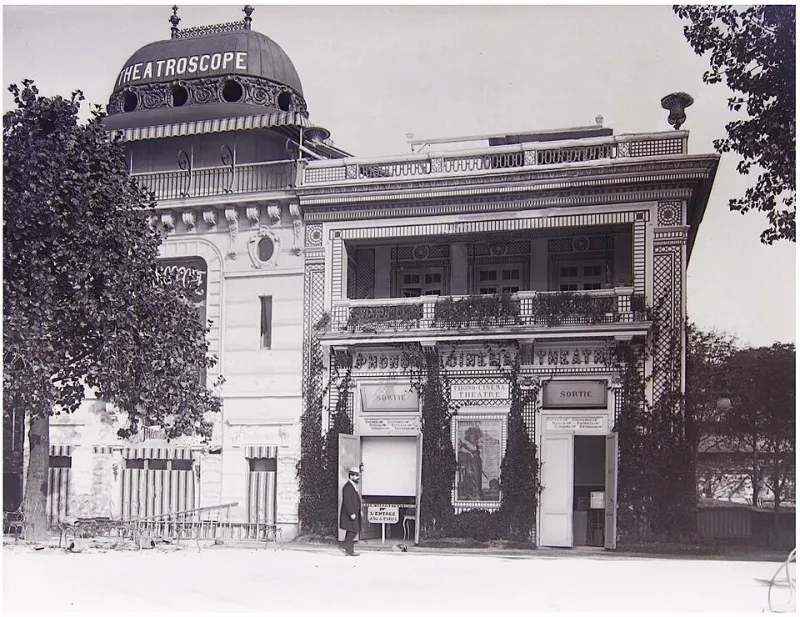
Photo: Unknown photographer, Public domain, via Wikimedia Commons
There is a particular sound a small cinema makes on a Tuesday afternoon. It is not the Dolby trailer. It is the kettle coming to the boil in the upstairs office, the click of the till being counted out, and the squeak of a cloth on the glass of the poster frame. By two o'clock, the high street outside is doing its usual low-level business: a bus idling, a delivery bike, someone asking directions to the library. Inside, the lights are up, the doors are open, and Screen 2 is about to show a film to eleven people.
I have always liked the quiet shift. Not because nothing happens, but because everything that happens is the actual job. The Saturday night crowd gets the trailers and the queue and the bright young staff on the pick-and-mix. The Tuesday crowd gets the same building, the same screen, the same care, with a fraction of the noise.
Before the First Kettle Boils
The opening routine at an independent cinema is a strange mix of domestic and technical. Unlock the fire door. Check the alarm panel. Put the house lights on in the foyer, then off again in the screens. Collect the post. Check the boiler, because the heating has opinions. Count the float. Print the day's schedule, even though it is already on the website and pinned to the wall and lodged in everyone's head.
The manager I spoke to – let's call her Fran, because she would rather not be quoted on the record about the boiler – says the Tuesday shift is where you find out whether a cinema is loved or merely tolerated. 'Anyone can open for a Marvel film,' she says. 'The test is whether you open properly for a film that came out three weeks ago and is down to one showing a day. Do you still clean the screen? Do you still check the sound? Do you still say good afternoon like you mean it?'
They do. That is the thing that stays with you. The film might be a modest British drama or a reissue or a documentary about a sculptor. The audience might be one couple who have been coming since the 1990s and a man called Derek who always sits in the same seat and always asks for a black coffee. The staff still do the walk-round. They still check the fire exits. They still put the right aspect ratio on the screen.
The Ledger Doesn't Lie, But It Doesn't Tell the Whole Story
On paper, Tuesday afternoon looks like a loss. The ticket price is lower. The audience is smaller. The café sells two pots of tea and a flapjack. The blockbuster weekend pays for the roof, the projector bulb and the annual insurance renewal. Everyone in the building knows that.
But the ledger is a blunt instrument. A quiet screening is not just a bad Saturday with fewer people. It is a different kind of transaction. The people who come at two o'clock on a Tuesday are often the ones who keep the cinema in their weekly routine. They buy memberships. They put a fiver in the donation box. They tell their neighbour about the film they saw. They come back on a Saturday with a grandchild. They are the difference between a cinema that is busy and a cinema that is alive.
There is also the simple matter of cost per head. A screen with forty people on a Saturday night might need three staff, extra cleaning and a longer bar shift. A screen with eleven people on a Tuesday might need one person on the door and one person checking the projector. The maths is not as grim as the empty seats suggest. It is not a goldmine either. It is a habit, carefully maintained.
Who Actually Comes at Two O'Clock
The two o'clock audience is not a marketing demographic. It is a collection of people with very specific reasons for being there. A retired couple who avoid the evening crowds. A shift worker who has the afternoon off. Two students who have discovered that the local cinema is cheaper than the multiplex and warmer than the library. A woman with a notebook who watches the credits all the way through. A dad with a toddler who has finally given up on nap time and decided to try the cinema instead.
Fran knows most of them by name, or at least by order. The couple in the back row share a pot of tea. Derek has a black coffee and a packet of salted almonds. The students ask if the student discount still applies in 2026, and it does. The woman with the notebook once told Fran that she comes because the screen is the right size for her attention span. 'It feels like a living room,' she said, 'but with better sound and no one asking me to put the bins out.'
That is not a joke. It is the whole point. A cinema is a public room that behaves like a private one. The Tuesday shift is where that feeling is most visible, because there is less to hide behind.
The Work Between the Ticket Tear and the End Credits
People often assume that a digital cinema runs itself. You press play, you sit back, you let the film do the work. In reality, the quiet shift is full of small checks. Is the door to Screen 1 closing properly? Has someone left a coat in the front row? Is the sound level right for a film with a lot of whispering? Are the subtitles working for the 2:10? Is the heating making that noise again?
There is also the admin that nobody sees. The lost property box. The rota for next week. The email to the distributor about a missing poster. The conversation with a customer who wants to know why the film is not showing on a Friday. The cleaning of the ice cream freezer, which is somehow always sticky even when no one has bought an ice cream.
The projectionist – or the person who does the projection check between other jobs – will tell you that the quiet screening is the best time to spot problems. A dodgy speaker is easier to hear when there are eleven people in the room. A flicker on the screen is easier to see when no one is laughing. The Tuesday afternoon is a rehearsal for the Saturday night, whether anyone planned it that way or not.
Why an Empty Screen Still Matters
There is a version of cinema economics that says a screen should only open when it is full. It is efficient, and it is wrong. A local cinema is not just a container for films. It is a place where people learn how to be an audience again. The first trip after a bereavement. The first film with a new partner. The first time a child sits still for ninety minutes. Those things rarely happen on a sold-out Friday. They happen on a quiet Tuesday, when there is room to breathe.
So the next time you see a local cinema advertising a two o'clock showing of something small, don't assume it is a ghost ship. Behind the ticket tear there is a kettle, a ledger, a person checking the sound and a screen that is being treated as if the whole town is watching. The blockbuster pays the bills. The Tuesday afternoon pays the soul. That is not a slogan. It is just what the quiet shift teaches you.