The Tea Round Is a Rota: How a Theatre Crew Actually Gets Fed
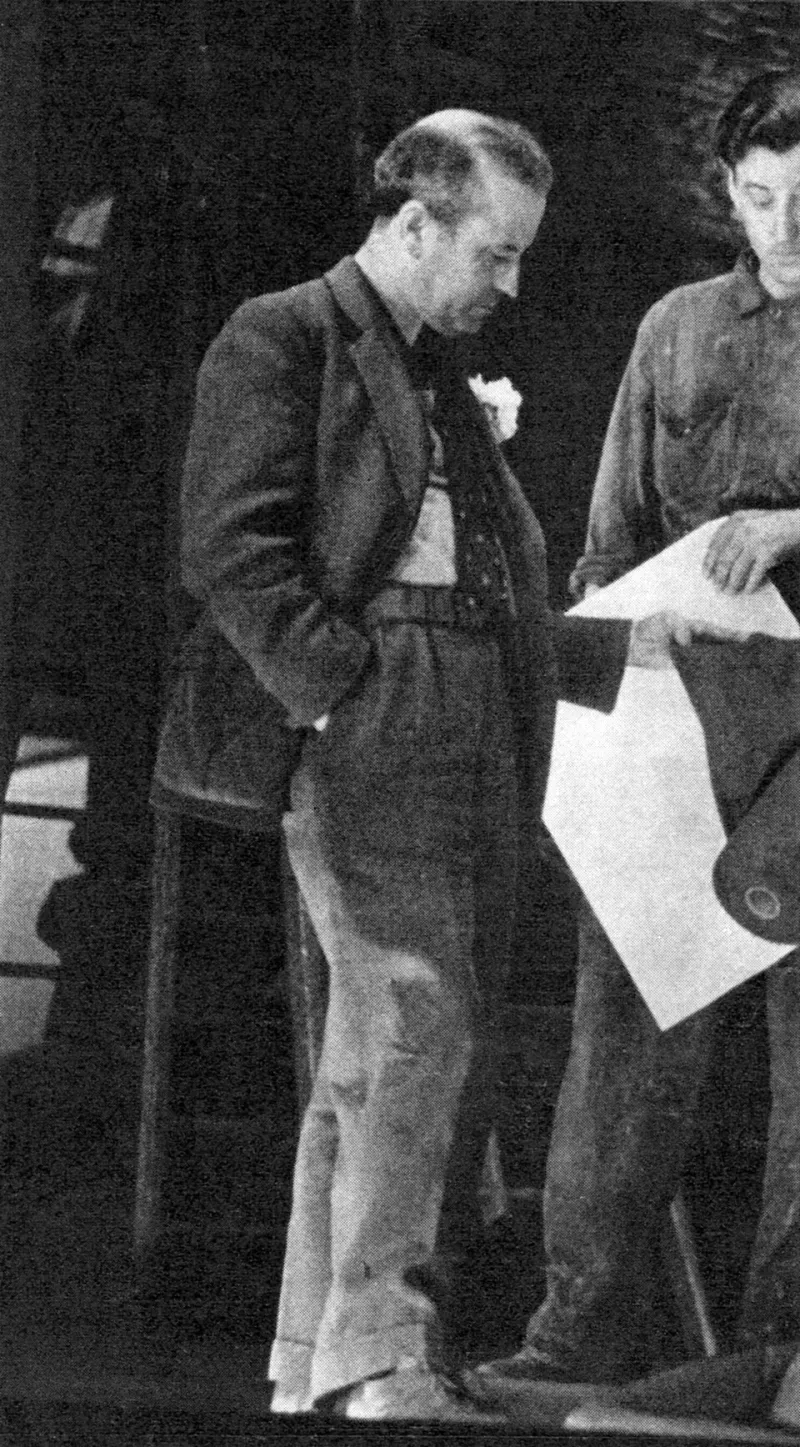
Photo: Stage Publishing Company, Inc.; no photographer credited, Public domain, via Wikimedia Commons
At 7:40 on a wet Tuesday morning in a loading bay behind a theatre in the Midlands, the most urgent question of the get-in is not about the rig, the sound check or the van that has parked at the wrong entrance. It is this: who is doing the sandwich order?
I have watched a production manager solve a complex rigging problem with a calm I envy, then visibly wilt at the news that the nearest decent café does not open until nine. I have seen a crew of twelve fall silent, in the good way, when a tray of bacon rolls appeared from nowhere. The show may be the thing, but the food is the thing that gets the show to the thing.
The first hour is not about the rig
There is a particular kind of optimism in a theatre at 8am. The stage is bare, the seats are covered, and everyone is pretending they slept well. What happens next depends enormously on whether there is a kettle, a plug that works, and something to put in a bowl.
Get-in breakfast is not a luxury. It is a pace-setter. A crew that has had a hot drink and a proper bite moves differently. The lifting is the same, the cable runs are the same, but the chat is better. The jokes land. The person who has been up since five is not quietly calculating how long until they can leave. You cannot put that on a risk assessment, but every experienced stage manager knows it.
The opposite is also true. I have seen a get-in where the only food was a multipack of crisps and a hopeful look. By eleven, the atmosphere had curdled. Nobody was unkind, exactly, but the edges were sharper. The tea round became a rota of resentment. That is what a missed breakfast does: it turns a team into a group of people taking turns to be annoyed.
A label is a small act of respect
Dietary notes are not admin. They are a trust document. The vegan who has been handed a cheese sandwich three times in a row is not being difficult; they are being forgotten. The coeliac who has to ask, again, whether the soup has flour in it is not making a fuss; they are doing the work that the catering sheet should have done for them.
The best crew catering I have seen uses a marker pen with genuine care. Little boxes with V, GF, DF, and in one memorable case, a small drawing of a peanut with a line through it. Nothing fancy. Just clear. The person who opens that box knows they were thought about before they had to ask. That is not a small thing. It is the difference between being fed and being included.
There is also a quieter politics to labelling. The production manager who saves a portion for the late-arriving lighting technician. The wardrobe assistant who puts aside the last slice of cake for the person who has been ironing since six. These are small acts of bookkeeping, but they are also acts of care. And they are noticed, even when nobody says so.
The caterer who answers the phone
I have a soft spot for the independent deli that takes a theatre order at short notice. You know the type. The one that asks how many are vegetarian before you have finished the sentence. The one that sends an extra bag of pastries because it is raining and the crew looks tired. The one whose owner has a nephew in panto and therefore understands that a tech day runs on a different clock to the rest of the world.
The chain option is fine, in the way that a station sandwich is fine. It will not ruin the day. But there is a difference between food that is technically present and food that has been considered. A local café that knows the order will often throw in a flask of soup or a box of tea bags, not because it is in the contract, but because that is what you do when people are working long hours in a cold building.
Tech day lunch is a scene change
The 1pm sit-down is not just a break. It is a reset. The morning has been a blur of cues, notes and someone saying 'can we just try that again' in a tone that is trying very hard to be patient. Lunch is the moment when the room can either collapse into grumbling or come back together.
A good lunch does not need to be elaborate. It needs to be on time, clearly labelled, and sufficient. The worst thing you can do to a tech day is make people wait for food they were told would be there at one. By 1:20, the energy has gone. By 1:40, people are eating crisps out of a shared bowl and pretending that counts. It does not count.
The evening meal is even more delicate. Everyone is tired. The show is either nearly there or nowhere near there. A hot dinner, even a simple one, can feel like a small mercy. I have seen a plate of pasta change the mood of a room more effectively than any pep talk.
The politics of the crew room fridge
Every theatre has one. The fridge that hums too loudly. The shelf that is technically communal but has become the unofficial property of the production manager's emergency supplies. The Tupperware with a name on it in marker so old it has faded to a rumour. The note that says 'please do not eat' in a tone that suggests someone has been burned before.
Crew room etiquette is a small, unglamorous drama. Who gets the last slice of the good cake. Who is quietly saving a plate for the person still on stage. Who, on a long run, starts bringing in their own biscuits because the budget ran out in week two. These are not the stories that make it into the programme, but they are the ones that keep the company going.
Three things that actually work
First, ask early. The dietary sheet should go out before the get-in, not on the morning, and definitely not after the first lunch order has been placed. Second, label clearly. A marker pen is cheaper than an apology. Third, time it properly. Food that arrives at the wrong moment is almost as bad as food that does not arrive at all.
And put it in the budget. Not as a gesture, not as a favour, but as a line item. Crew catering is part of the production. It is not the bit you trim when the contingency starts looking thin. Trim the flowers. Trim the press night drinks. Do not trim the thing that keeps people standing upright.
The sandwich order is not a love letter, not really. It is a rota with a bit of care folded in. But if you get it right, it says something that no call sheet can: we know you are here, and we have not forgotten you.