The Route Nobody Photographs: Real Access in Old Theatres Starts Backstage
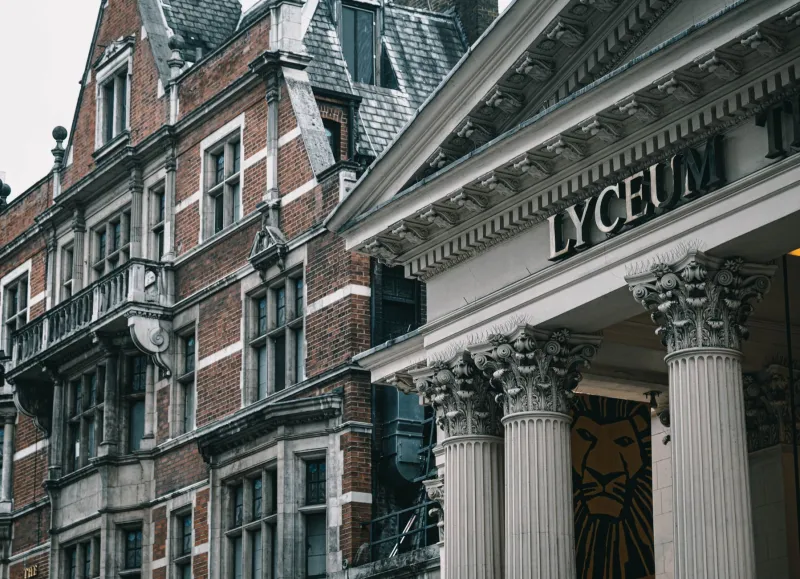
The photograph is always the ramp. A temporary slope at the stalls door, a neat bit of handrail, a smiling front-of-house manager standing beside it. It is a good photograph, and I am glad the ramp exists. But it is not the whole story. In too many old UK theatres, access is audited at the front door and then left to improvise once you get past the foyer.
That is the gap I keep coming back to in 2026. We have become better at talking about accessible entrances and accessible toilets, at least in the brochure. We are still curiously shy about the route from the stage door to the stage, from the dressing room to the wings, from the get-in to the grid. The bit nobody photographs is often the bit that decides whether a disabled performer, crew member or audience member can actually do the job or enjoy the night.
The route nobody photographs
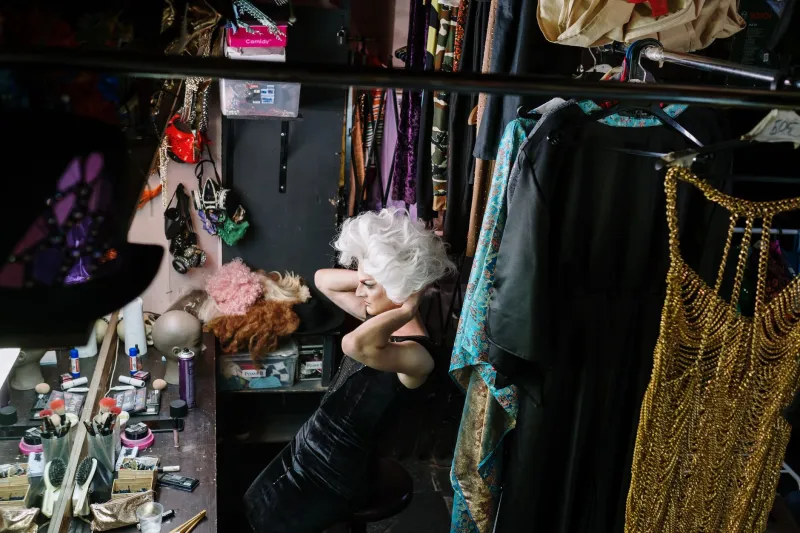
Ask a disabled performer what they remember about a Victorian venue and they rarely mention the poster in the foyer. They mention the stage door threshold. The corridor that is technically wide enough until a flight case is parked in it. The lift that needs a key, a code and a member of staff who knows where the key is kept. The dressing room that is lovely, spacious and up two flights of stairs. The get-in route that works at 8am but not at 5pm, when the merch rails and queue barriers have colonised the only step-free path.
These are not exotic edge cases. They are working conditions. A theatre can pass an access audit and still fail a company on a wet Tuesday in panto season because the only accessible route to the stage has been used as a storage bay since the audit was signed off. An audit is a snapshot. A show is a season. The difference matters.
An audit is a snapshot. A show is a season.
I am not against access audits. They are useful. They record door widths, thresholds, lift dimensions and turning circles. They give venues a baseline and give funders something to read. But a theatre does not operate in audit conditions. It operates with bins, cables, costume rails, scenery, children in a youth theatre production, a visiting company with a different set, and a front-of-house team who are trying to move 600 people through a foyer built for 250.
Real access is live stagecraft. It is an usher who knows the step-free route and can walk it with you rather than point vaguely towards a corridor. It is stage crew who keep the route clear because someone has actually told them why it matters. It is a company manager who asks about access before the get-in, not after the first preview. It is a duty manager who checks the lift on a two-show day, because if that lift is the only step-free route to the stage, then the lift is not just equipment. It is part of the running order.
That is the thing about old buildings: they force you to collaborate. You cannot solve everything with a new sign. You have to solve it with people, timing and a willingness to revise the plan when the plan meets reality.
What listed buildings owe in 2026
Listing protects fabric. It does not give a venue permission to opt out of access. The Equality Act 2010 still applies, and reasonable adjustments are still reasonable adjustments, whether the building is Grade II listed or a converted church hall. Heritage is a design constraint, not a moral exemption.
Some fixes are capital projects: a lift, an accessible toilet that is not also the cleaner's cupboard, a new dressing room at stage level, a properly surveyed evacuation route. Those cost money and take time, and I have sympathy for venues doing their best with a listed building and a budget that was set before the roof started leaking.
But some fixes are free, or nearly free. Publish accurate access information and update it when it changes. Name a contact who actually answers. Stop using the accessible loo for stock. Train front-of-house staff on the route, not just the policy. Ask visiting companies what they need before they arrive. Keep the route clear during the interval as well as before curtain up. In 2026, audiences can book a ticket in seconds. They should be able to find out whether the route to their seat is step-free in roughly the same time.
The audience route is also a performance
Access is not only a backstage issue. It is the usher who notices someone struggling with the stairs before they have to ask. It is the interval route that does not send a wheelchair user on a lap of the building to find a working lift. It is the evacuation plan that has been rehearsed with disabled patrons in mind, not just printed and filed. It is the difference between a venue that says it is accessible and a venue that behaves as if access is part of the show.
My view is simple. Old theatres do not owe audiences or companies perfection. They owe them honesty and effort. Say what you can do. Fix what you can. Name what you cannot. Keep the route clear. Check the lift. And please, do not let the ramp photograph do all the work.
The best venues already know this. They treat access like a cue: rehearsed, owned and reviewed. That is not box-ticking. That is stagecraft. And in a building that has been standing for a hundred years, a bit of stagecraft is exactly what keeps the show on the road.