The Foyer Table: Why Theatre Merch Deserves a Second Look
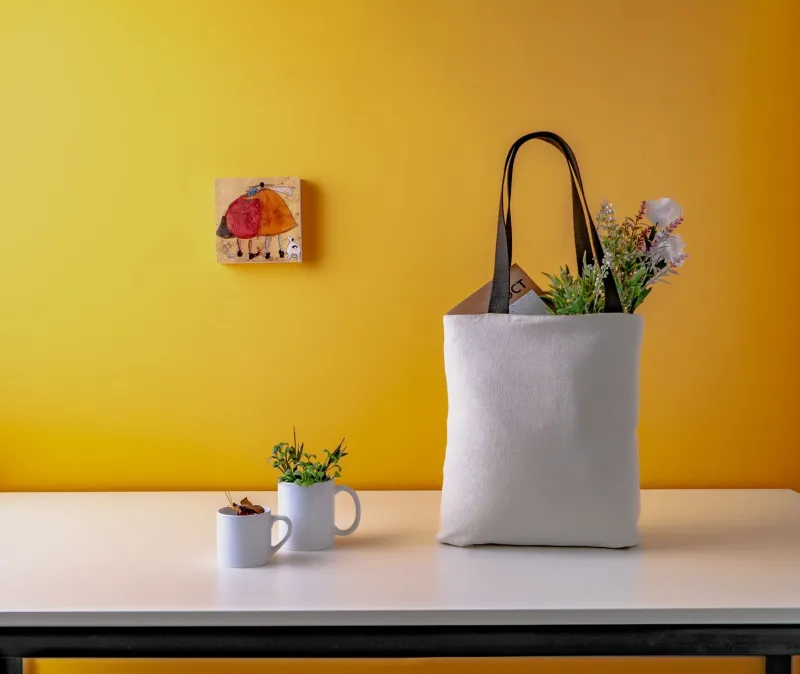
There is a particular sound to a theatre foyer just before curtain-up. Coats rustling, glasses clinking, someone asking whether the bar takes card. And then, near the door, the quiet clatter of a merch table being arranged: programmes squared into a neat stack, tote bags hung from a hook, a card reader angled towards the light.
I have spent more time than I should admit loitering by that table. Not because I need another canvas bag — I have enough to upholster a small sofa — but because the table tells you something about the show that the poster cannot. It is the difference between a production that has thought about its audience and one that has simply remembered to order the programmes.
The table is not an afterthought
In many UK venues, merch is still treated as a bit of a side hustle. The table is squeezed into a corner, staffed by someone who has also been asked to check coats and sell ice creams, and lit like a forgotten cloakroom. That is a shame, because the merch table is the last physical conversation the show has with its audience. It is where a brilliant evening becomes something you can hold on the bus home.
When it is done well, it is not a cash grab. It is an extension of the design. Think of the Royal Exchange or the Sheffield Crucible: a programme that feels like a small book, a poster that uses the same typography as the set, a pin badge that captures a single line from the script. Those things do not happen by accident. They happen because someone in the building argued for them.
What makes good merch, and what does not
Good merch has a point of view. It should feel like it belongs to the production, not like it was chosen from a catalogue of generic theatre-shaped objects. A tote bag is fine. A tote bag with the show's actual artwork, printed by a local supplier, is better. A limited-edition print, numbered and signed by the company, is the kind of thing people frame. It says: we think you might want to keep this.
Bad merch is not necessarily expensive. It is just thoughtless. The mug with a logo that peels off after three washes. The programme with no cast list and a paragraph of plot synopsis you could have read on the website. The T-shirt in a fit that suggests nobody in the room has ever worn a T-shirt. These are small disappointments, but they add up. They tell an audience that the table was an obligation rather than an invitation.
The economics of a tote bag
I am not going to pretend that merch is charity. It is income. For touring companies, a good table can be the difference between a tight week and a survivable one. For regional theatres, every programme sold in the foyer is a few more pounds that do not have to come from a grant application. And for independent makers — the illustrators, printers and ceramicists who often supply the smaller items — the table is a shop window.
But the economics are not only about profit. They are about relationship. If you buy a programme, you are saying yes to the work. If you buy a print, you are taking a risk on an artist. If you buy a tote bag, you are effectively paying the venue a compliment. That is not nothing. It is a quiet form of support that keeps the lights on and the risers stocked.
A piece of the show, not a souvenir of the shop
The best merch I own is not the most expensive. It is a small enamel pin from a panto at a regional theatre a few years ago. It has a tiny goose on it. I cannot explain why the goose mattered, but it did. It was funny, it was specific, and it cost less than a glass of wine. Every time I find it in a drawer, I remember the show. That is the whole point.
That is why the queue forms. Not because people are desperate for another tote bag, but because they want a physical anchor for a feeling. Theatre is ephemeral. You sit in the dark, you watch something happen, and then it is gone. The merch table is a small act of defiance against that. It says: here is a thing you can take home. Here is a reminder that you were in the room.
The queue is part of the ritual
So next time you are in a foyer, have a proper look at the table. Not just at the prices — though yes, £15 for a tote bag is a lot — but at the care. Is there a programme with real writing in it? Is there something made by a local artist? Is there a person behind the table who can tell you where the print came from? If the answer is yes, that is a good sign. It means the show has thought about the whole evening, not just the two hours on stage.
And if you can, buy something small. A badge, a postcard, a programme. It does not have to be a grand gesture. It is just a way of saying: I was here, and I am glad I came. The table in the foyer is part of the show. It deserves a second look.