What the Wings Know: A Panto Lover's Field Notes for the 2026 Season
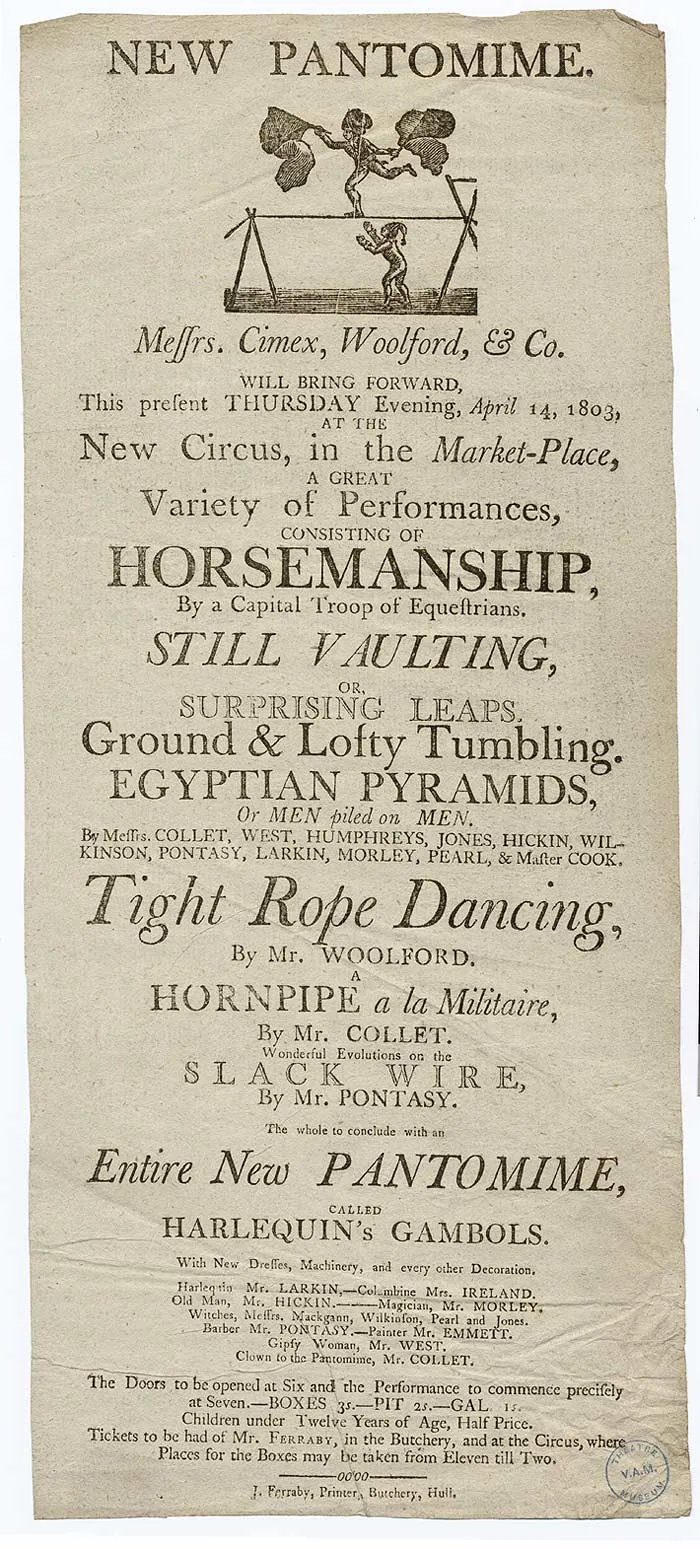
Photo: Unknown authorUnknown author, Public domain, via Wikimedia Commons
Every November, I get the same itch. It is not quite festive yet, the nights are closing in, and somewhere in a regional theatre a stage manager is staring at a list of missing props while a pantomime dame argues about the height of her wig. Panto season is coming. In 2026 it arrives with the usual mix of school coaches, tinsel, tired company members and audiences who have been waiting all year to shout at strangers in a darkened room. I love it. I also know exactly how much chaos sits behind the joy.
The smell of the greasepaint and the sound of a school coach
My first panto memory is not of the show. It is of the queue. Wet coats, boiled sweets, a coach driver smoking by the stage door, and a child asking loudly why the fairy looked like their auntie. That is the real front-of-house panto experience. It is not polished. It is a local theatre doing something slightly mad in the middle of winter, and the audience arriving with an energy that no other type of show quite matches.
If you are going this year, a few practical things help. Book an aisle seat if you have small children or a weak bladder. Check the running time before you commit, because a two-and-a-half-hour panto with a tired five-year-old is a test of everyone's patience. And arrive early. Not because the theatre will lock you out, but because the pre-show atmosphere is part of the fun. Watch the kids spot the set. Listen to the grandparents explain the plot. Let the anticipation build.
What the wings teach you about joy
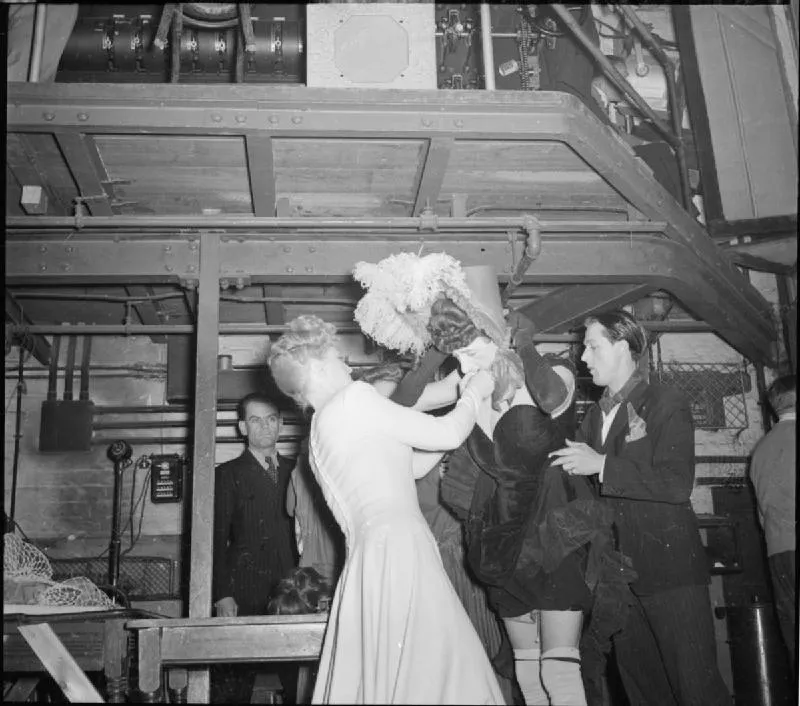
Backstage, panto joy is not accidental. It is built. There is a props table with everything labelled in increasingly desperate handwriting. There is a company warm-up that starts with proper vocal work and ends with someone doing a silly dance. There is a stage manager who says the same thing every night — usually something like 'right, let's have a good one' — and means it every single time.
One of the small rituals I have seen hold a production together is the pre-show check. Not the big technical stuff, but the human stuff. Is the child cast okay? Has anyone eaten? Is the dame's quick-change rail in the right order? It sounds mundane, and it is, but that is the point. Panto runs on routine. The audience sees sparkle. The wings see a clipboard and a lot of Velcro.
The best companies understand that audience joy is not something you demand. You invite it. You give the audience clear permission to join in, then you read the room. Some audiences want to boo like they are at a football match. Some want to sit quietly and enjoy the silliness. A good panto adapts. A great one makes both groups feel like they are in on the joke.
A panto is a machine made of traditions
There is a structure to this madness. Opening number, introduction of the villain, the messy scene, the ghost scene, the singalong, the finale. You can set your watch by some of it. That is not a weakness. It is why panto works. Children learn the rules quickly, adults relax into the nostalgia, and the company knows exactly where the laughs should land.
My honest opinion? The best pantos are not always the ones with the biggest celebrity. A familiar face helps sell tickets, but warmth sells the show. I would rather watch a company with a brilliant dame, a genuinely funny comic and a chorus that looks like it is having the time of its life than a star who is clearly counting down to the final curtain. The 2026 season will have both. Choose carefully, and if you can, support your local theatre. The people in the wings have been rehearsing since October.
Backstage rituals that keep the wheels on
A few things you might not think about. The child cast have chaperones and strict hours, which is why some scenes are staged in a particular way. The quick-change fairies are often doing the work of three people in a dark corner. The sweets thrown into the audience are counted and checked, because no one wants a rogue boiled sweet under a seat. And the band, if there is one, is probably the most vigilant group in the building. Live panto means live mistakes, and the band catches more of them than the audience ever knows.
Audiences can help. Be on time. Do not film the show. If you are asked to join in, join in, but do not shout over the lines. And if something goes wrong — a missed cue, a stuck trapdoor, a wig that makes a bid for freedom — laugh with the company, not at them. They will already be laughing at themselves.
How to get the most out of the 2026 season
Book early for relaxed performances if you or someone in your group needs them. Check age guidance, because panto can be louder and longer than people expect. Buy a programme if you can; it is a small way of supporting the theatre. And if you are taking children, explain the rules before you go. You boo the villain. You shout 'he's behind you'. You do not ask the dame personal questions about her wig.
Most of all, go in ready to enjoy something daft. Panto is not trying to be prestige television. It is trying to give a room full of people a good night out in the middle of winter. The wings are chaotic, the glitter gets everywhere, and someone will always lose a prop. But the joy is real. That is the trick of it. The audience feels it because the company has spent weeks building it, one ridiculous ritual at a time. See you in the stalls.