The Green-Room Truths Nobody Puts in the Tour Pack
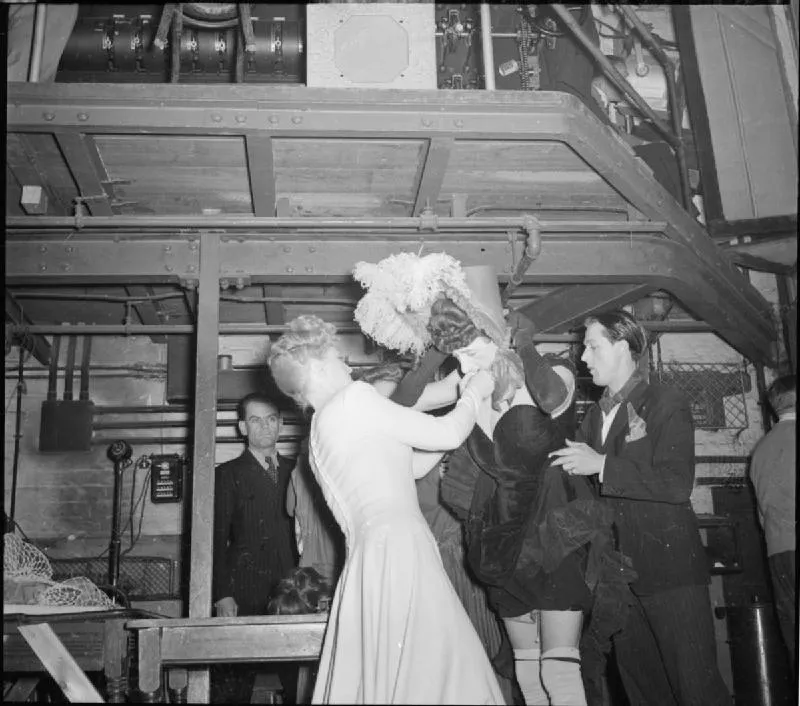
Photo: Ministry of Information Photo Division Photographer, Public domain, via Wikimedia Commons
I have a confession to make: my first UK tour was held together by a printed spreadsheet, a packet of digestive biscuits and a growing suspicion that everyone else knew something I didn’t. I’d done the gigs. I’d done the rehearsals. I had not, however, done the bit where you spend forty minutes looking for a venue’s loading bay while a promoter texts you ‘just ring the bell by the bins’. If you’re about to take your own work around the country — a show, a set, a zine tour, a small art thing with a big bag of cables — here are the backstage rules I wish someone had written down for me.
The schedule is a rumour with a start time
My first tour pack was a beautiful thing: colour-coded, tabbed, full of optimistic timings. Get-in at 4pm. Soundcheck at 5.30. Doors at 7.30. What it did not say was that the venue had a wedding on until 3, the stage manager was also the bar manager, and the ‘loading bay’ was a fire door with a wheelie bin parked in front of it. We got in at 4.40, soundchecked in twenty minutes and spent the rest of the evening pretending that was the plan all along.
The lesson isn’t to distrust schedules. It’s to treat them as a friendly suggestion. Confirm your load-in time the day before. Ask where the nearest parking is, whether there are stairs, and whether the lift is working. Ask if there’s a kettle. Actually, always ask about the kettle. In a lot of UK venues, the kettle is the real stage manager.
Every venue has a ghost in the heating system
I have played a room in Bristol where the radiator clanked along to the songs. I have stood in a Leeds venue lift that made a noise like a disappointed tuba. I have watched a Glasgow stage door swing open in the wind with the timing of a horror film. Venues are old buildings doing their best. They have quirks, and those quirks are not personal.
What is personal is how you handle them. Don’t kick the radiator. Don’t prop the fire door open with your merch box. Don’t assume the person showing you round has time for a full tour of your emotional journey. Be nice, be quick, and write down the Wi-Fi password before someone changes it.
The green room is not your living room
This is the one I see trip up new touring creatives again and again. The green room is a shared space. It might be a cupboard with a sofa. It might be a proper room with a mirror and a fridge. Either way, it belongs to everyone on the bill and to the venue staff who have to reset it after you’ve gone.
So: don’t eat the whole rider before the show. Don’t move the furniture without asking. Don’t leave your wet coat on the sound desk. Don’t use the promoter’s milk for a brew and put the empty carton back in the fridge — yes, that happened, and yes, I still think about it. If you’re on a shared bill, introduce yourself. Ask what time the other act is on. Keep your stuff in one corner. Label your food if it matters to you. Take your rubbish with you. The green room is not glamorous, but it is a decent test of character.
Soundcheck is not a rehearsal
I wish someone had tattooed this on my forearm. Soundcheck is for levels, monitors, sightlines and making sure the projector cable doesn’t trip anyone up. It is not for running the whole show because you’re nervous. If you need a quick line check, fine. If you need to walk the space, fine. If you need to spend twenty minutes explaining the emotional arc of act two to a technician who has three other jobs, you have become the problem.
Be ready before you get there. Know what you need. Say thank you. If something isn’t right, say it plainly and kindly: ‘Could I have a bit more vocal in the monitor?’ works much better than a pained look at the ceiling.
Small rituals are load-bearing
The unglamorous truth is that tours are held together by tiny routines. The same pre-show walk to the stage door. The same playlist while you set up merch. The same terrible sandwich from the shop round the corner. The same check that the setlist is taped to the floor and the spare batteries are in the bag.
I used to think rituals were a bit precious. Now I think they’re structural. When everything else is different — new room, new city, new audience, new person telling you the doors are running late — a small ritual tells your brain that you know how to begin. Mine is making a cup of tea I don’t really have time to drink and then putting my setlist in the same pocket. It has never failed me. It has also never been drunk. Both things are true.
Get-out is part of the show
Nobody claps for get-out. That’s the point. After the last note, the room empties, the house lights come up and the real work begins: coiling cables, packing merch, finding the one adapter that has vanished into another dimension. This is when you learn who your tour mates really are.
Don’t vanish. Don’t leave your bottles on the stage. Don’t assume the venue staff will clear up after you because they’re ‘the venue’. Thank them. Ask where the bins are. Count the merch float. Know your last train. If you’re staying in a Travelodge off a ring road, accept that this is the glamour you signed up for. The get-out is where a good tour becomes a repeat booking.
What I’d tell my first-tour self
Pack gaffer tape, a power strip, paracetamol and your own decent tea bags. Confirm the load-in. Ask about parking. Keep a paper copy of the schedule. Be early rather than interesting. Be kind to the person on the door, because they are the person who knows where everything is. And remember that the show is only one part of the day — the rest is people, rooms and small acts of competence.
Oh, and if a promoter says ‘it’s just a quick get-in’, assume they mean it in the same way people say ‘it’s just a quick pint’. You’ll be there for two hours. Put the kettle on.